
What to Expect From Wildlife Control in Chicopee, MA
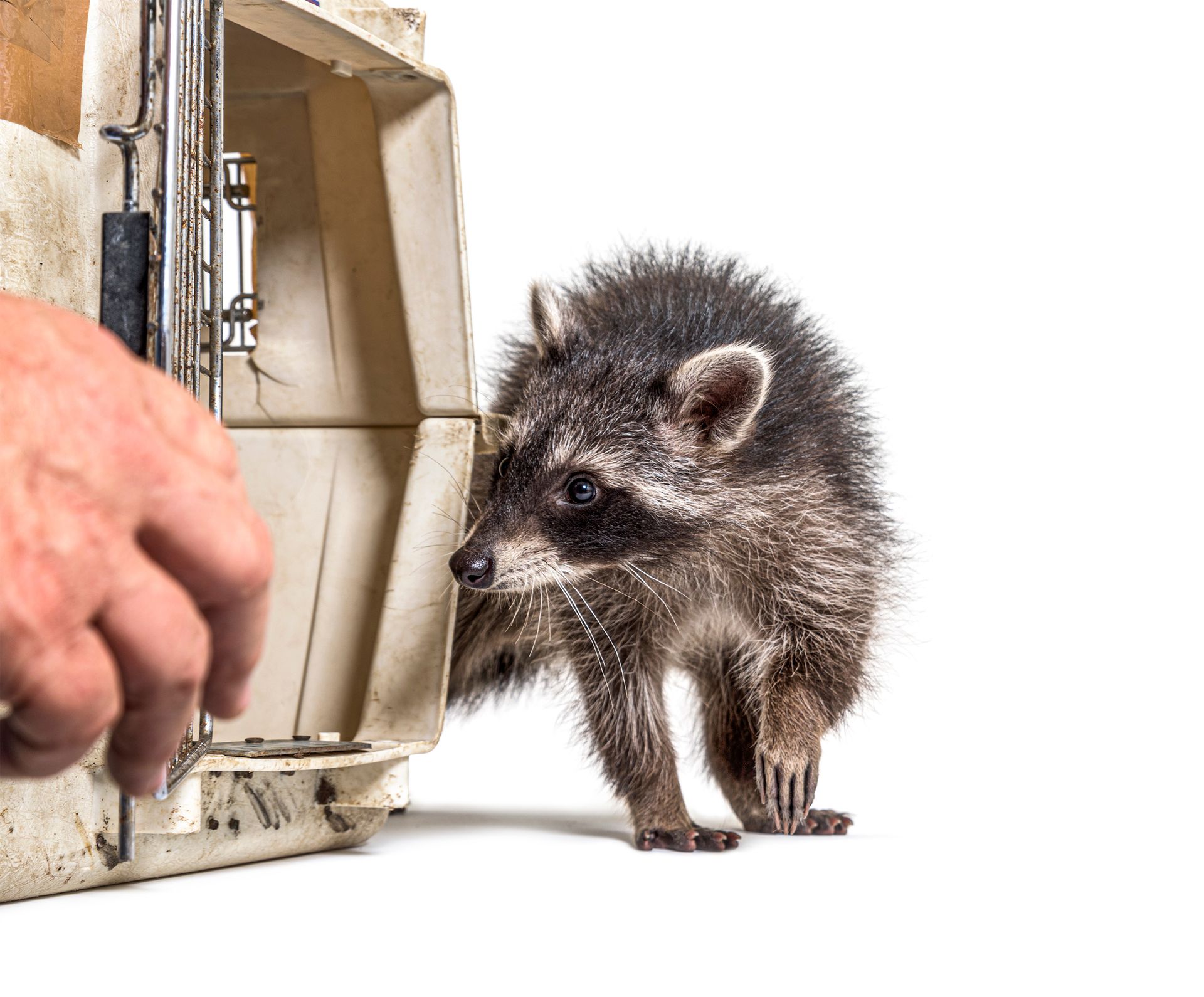
Knowing what wildlife control in Chicopee, MA, involves can save homeowners time, money, and stress when an unwanted animal shows up. Chicopee sits in the Connecticut River Valley, and its mix of residential neighborhoods, wooded pockets, and open green spaces attracts raccoons, squirrels, bats, skunks, opossums, and rodents. A Russell, MA-based wildlife removal team serving Chicopee can walk you through a clear process so you know what to expect before, during, and after a visit.
How the Wildlife Removal Process Typically Works
Professional wildlife animal control in Chicopee, MA, follows a structured sequence from start to finish:
- Initial inspection. A technician visits the property and looks for signs of activity, including droppings, chew marks, torn insulation, and unusual odors.
- Species identification. The pro confirms which animal is present, because removal methods vary by species and Massachusetts wildlife law.
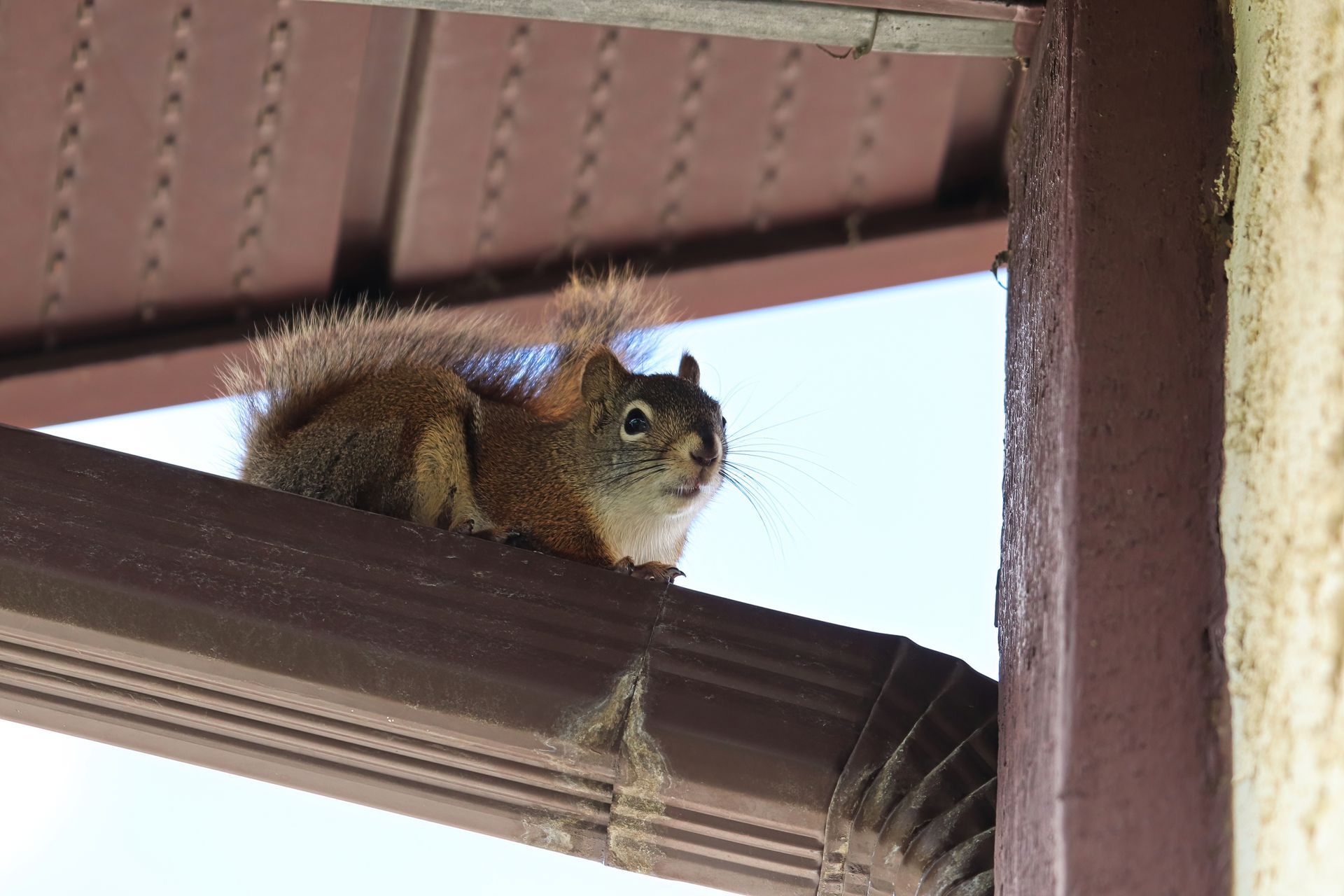
- Entry point mapping. The team checks rooflines, vents, soffits, chimneys, and foundation gaps for openings animals may be using.
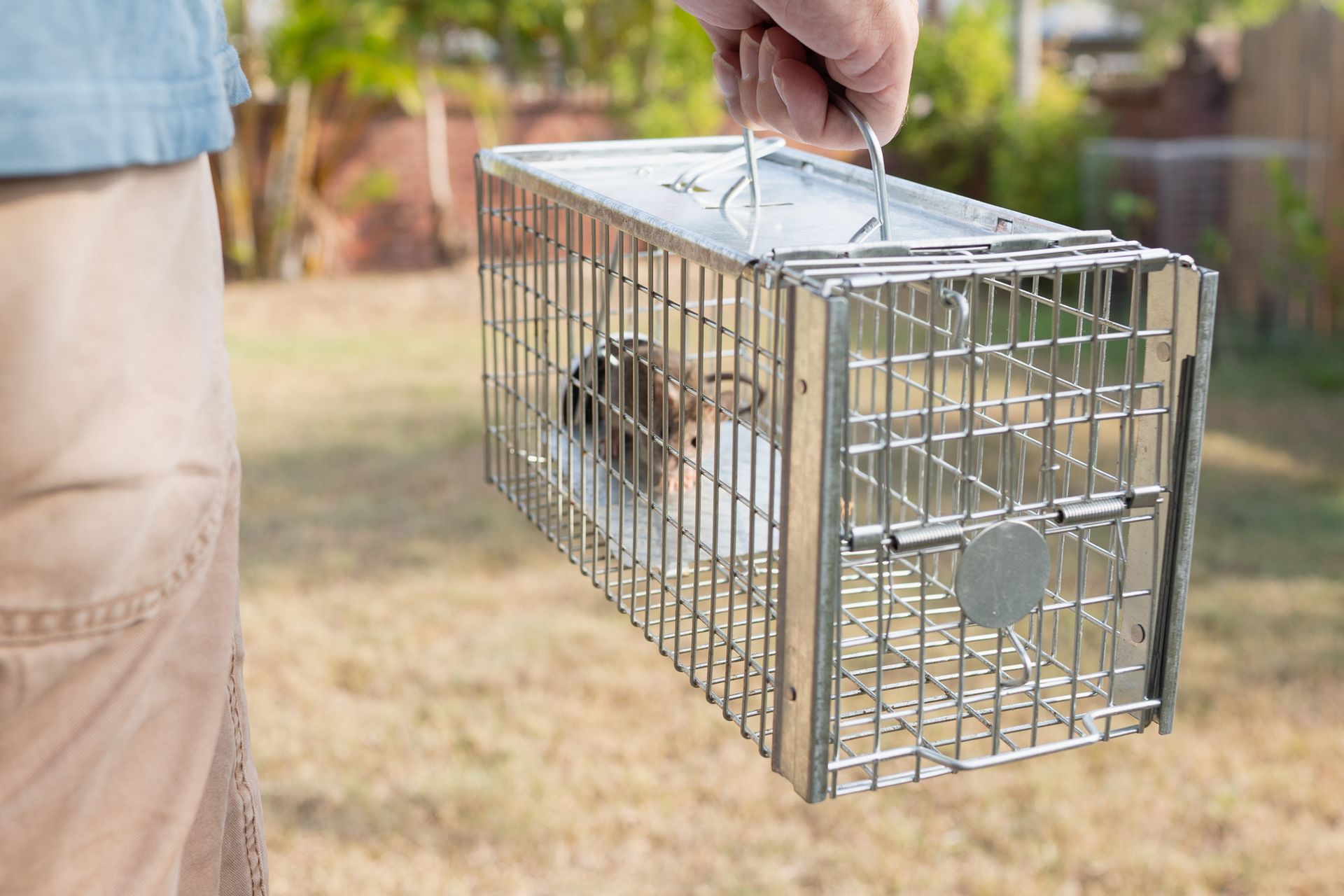
- Humane trapping or exclusion. Technicians may set live traps, install one-way exclusion devices, or use other lawful removal methods depending on the species.
- Relocation or removal. Captured animals are relocated to a suitable area in accordance with Massachusetts wildlife regulations.
- Sealing and prevention. All confirmed entry points are sealed using durable materials such as galvanized steel or heavy-duty mesh to block future intrusions.
Why Finding Entry Points Matters
Sealing entry points is just as important as removing the animal. If gaps are left open, new wildlife can move in within days. Professionals look beyond the obvious holes and check lesser-noticed spots, including gaps around pipe penetrations, loose or missing vent covers, deteriorating soffits and fascia boards, and cracks along the foundation. A thorough inspection may also uncover nesting materials that can create fire hazards or harbor parasites long after the animal is gone.
What Humane Trapping Looks Like in Practice
When trapping is the right approach, licensed professionals use live traps sized and positioned for the specific species. Traps are checked regularly to minimize animal stress, and relocation sites are selected to give animals the best chance of survival. In some cases, such as with bats, Massachusetts law requires exclusion devices rather than trapping, so providers must stay current on state regulations.
Why DIY Methods Often Fall Short
Store-bought repellents and hardware-store traps rarely address the root cause. Without closing entry points and removing nesting areas, animals tend to return. Improper handling also carries real risks, including bites, scratches, and exposure to diseases like rabies or leptospirosis. Homeowners who attempt DIY fixes often end up calling for professional wildlife control in Chicopee, MA, once the problem resurfaces. Choosing a licensed provider ensures the job is done correctly from inspection through final sealing.
Ready to Get Help With Wildlife Control in Chicopee, MA?
Russell, MA-based Acorn Wildlife Solutions proudly serves Chicopee and the surrounding communities of Western Massachusetts. The team is licensed, insured, veteran-owned, and a member of the National Wildlife Control Operators Association. If you are dealing with raccoons, bats, squirrels, skunks, or any other unwanted animal, reach out today. Call (413) 626-0434 or visit the contact page to schedule an inspection. You can also find Acorn Wildlife Solutions on Google Maps for directions and reviews.